Basketball South Australia is proud to recognise the players, coaches, officials, volunteers, administrators and teams whose passion, dedication and achievements have shaped our game for generations. Through our Hall of Fame, Hall of Fame Legends, Life Members and Participant Life Members, we honour those whose contributions continue to inspire the basketball community across South Australia.
Basketball South Australia is proud of our rich history
Basketball South Australia would like to acknowledge our rich history through our Hall of Fame Legends, Hall of Fame Members, Life Members & Participant Life Members (previously 300 Club Members).
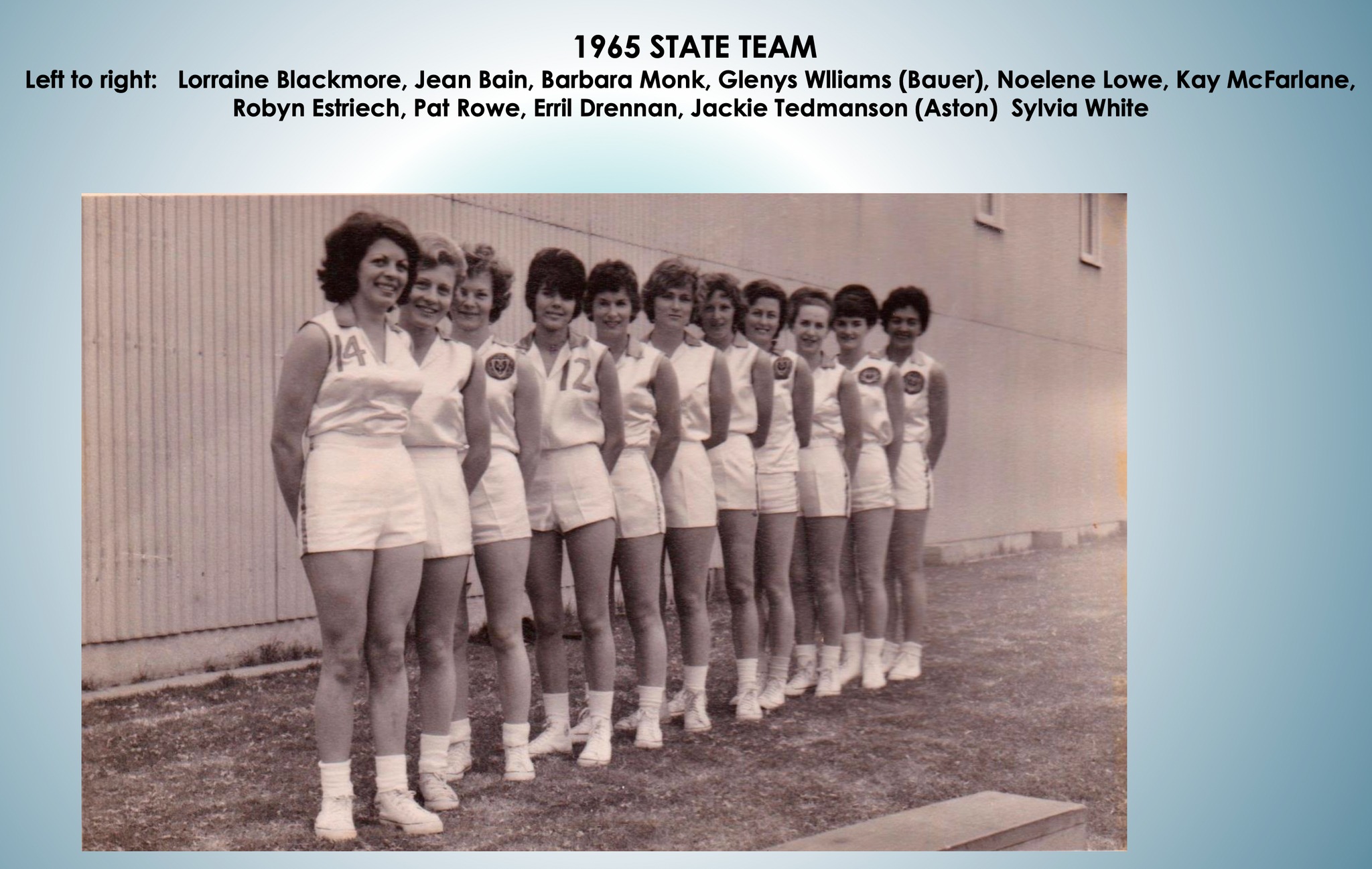
Glenys Bauer’s contribution to basketball in South Australia spans decades, both on and off the court. A trailblazer in her era, Glenys’ dedication to the game has been recognised with Life Membership of BASA and induction as a Legend of Sturt Basketball Club, reflecting her enduring impact on the sport.
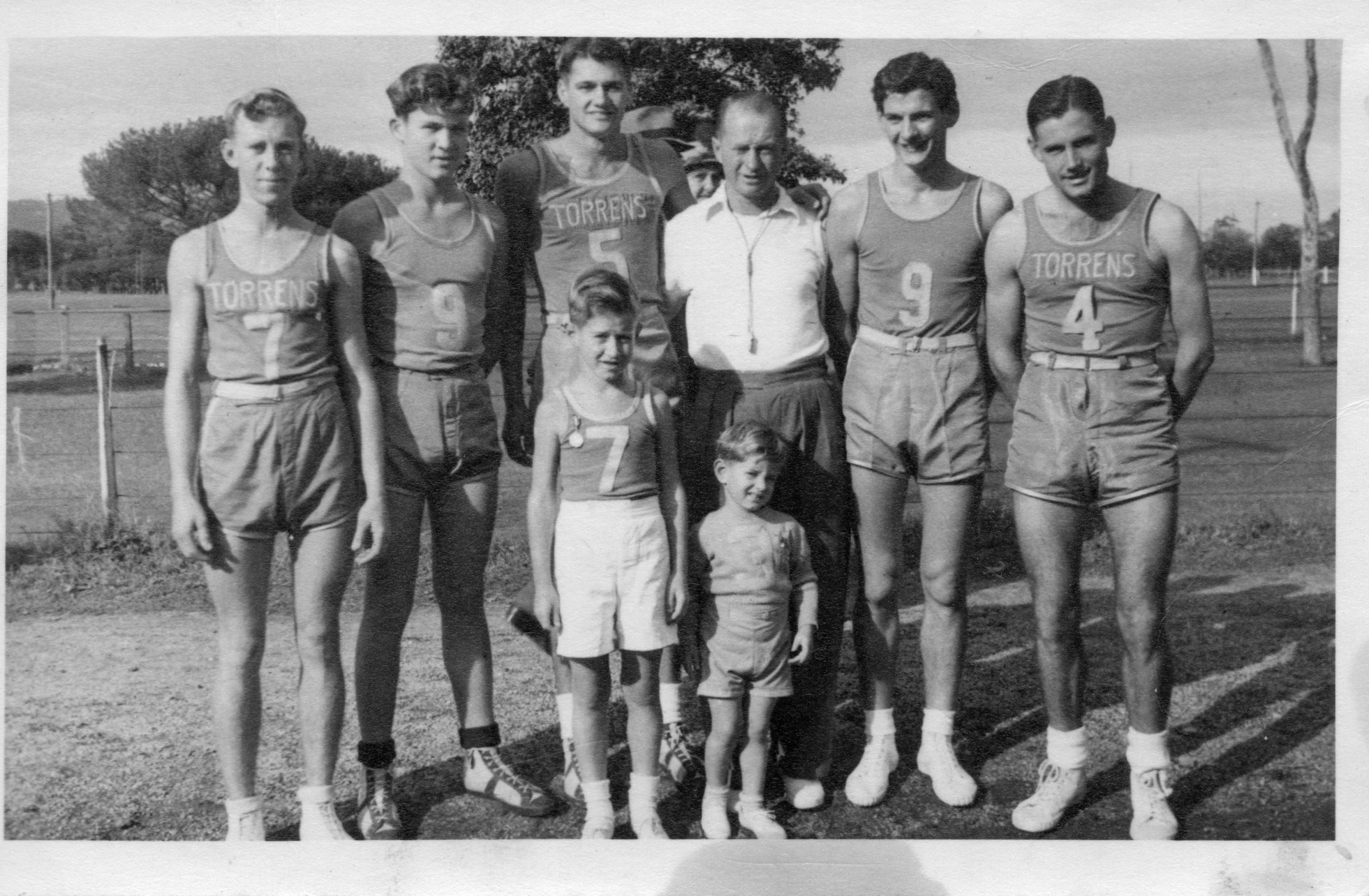
Her playing career was distinguished from the very beginning. Glenys represented South Australia multiple times at the Australian Championships, including in 1965, 1967, 1968, 1969, and 1971, and proudly wore the national colours at the 1971 World Championships in Brazil. She also represented South Australia at the junior level in 1962 and 1963 and was a two-time Junior State Representative. During her club career that began in 1960, Glenys played with Vikings, West Torrens, Adelaide/Forestville, and Sturt, winning district championships with several clubs. Her longevity in the game saw her continue competing at state, national, and even World Masters level.
Glenys’ impact extended far beyond her playing days. She coached U/10 girls in 1981 and 1982, served on the Sturt Basketball Committee for four years, contributed to the State and District Women’s Committee for three years, and acted as a State Delegate in 1974, helping shape the administration and growth of basketball in South Australia.
Her achievements have been widely recognised; she was named SA Sportsman of the Month in 1969 and finished runner-up in the Halls Medal (now known as the Eiler Medal) that same year.
Glenys Bauer’s commitment, leadership, and passion for the game have made her a role model for generations of players, coaches, and volunteers. Her life in basketball, from pioneering player to dedicated mentor and administrator, embodies the spirit of service and excellence celebrated by her induction into the Basketball South Australia Hall of Fame.
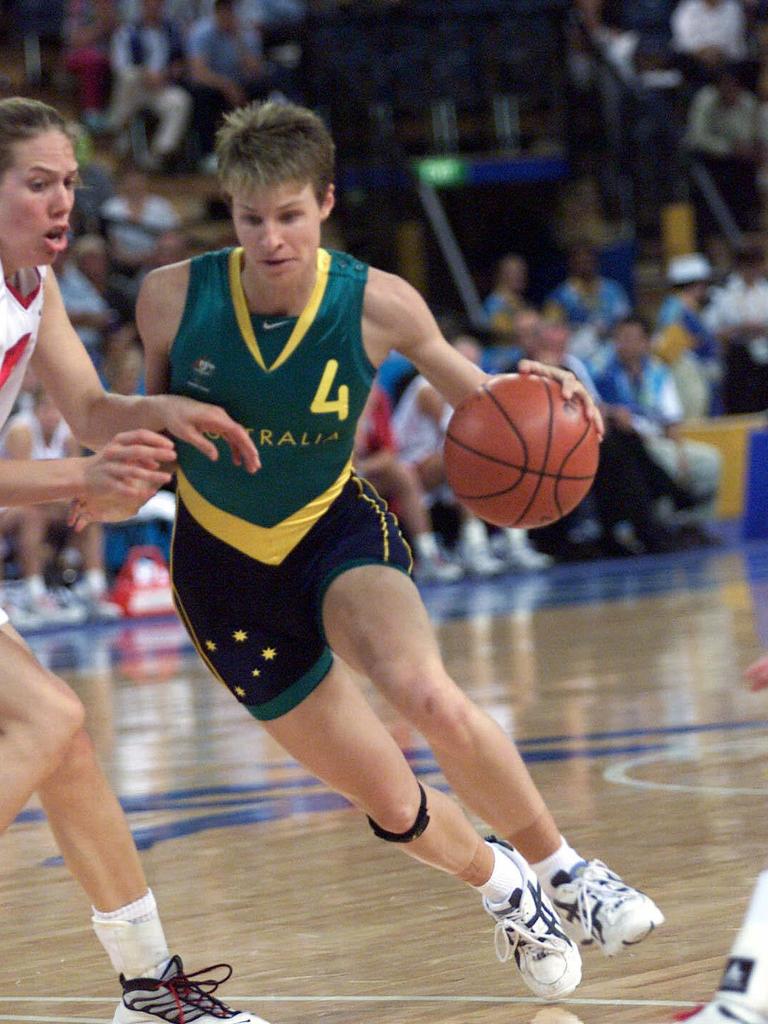
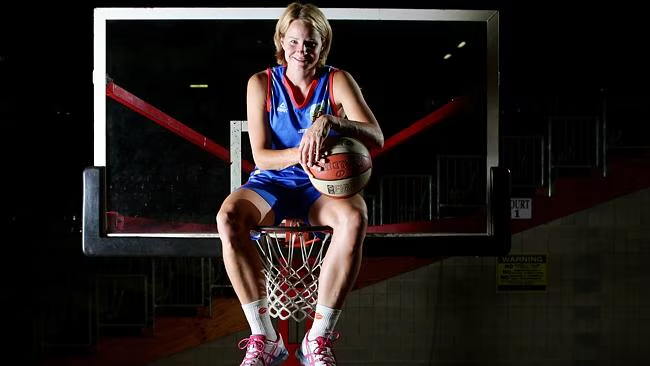
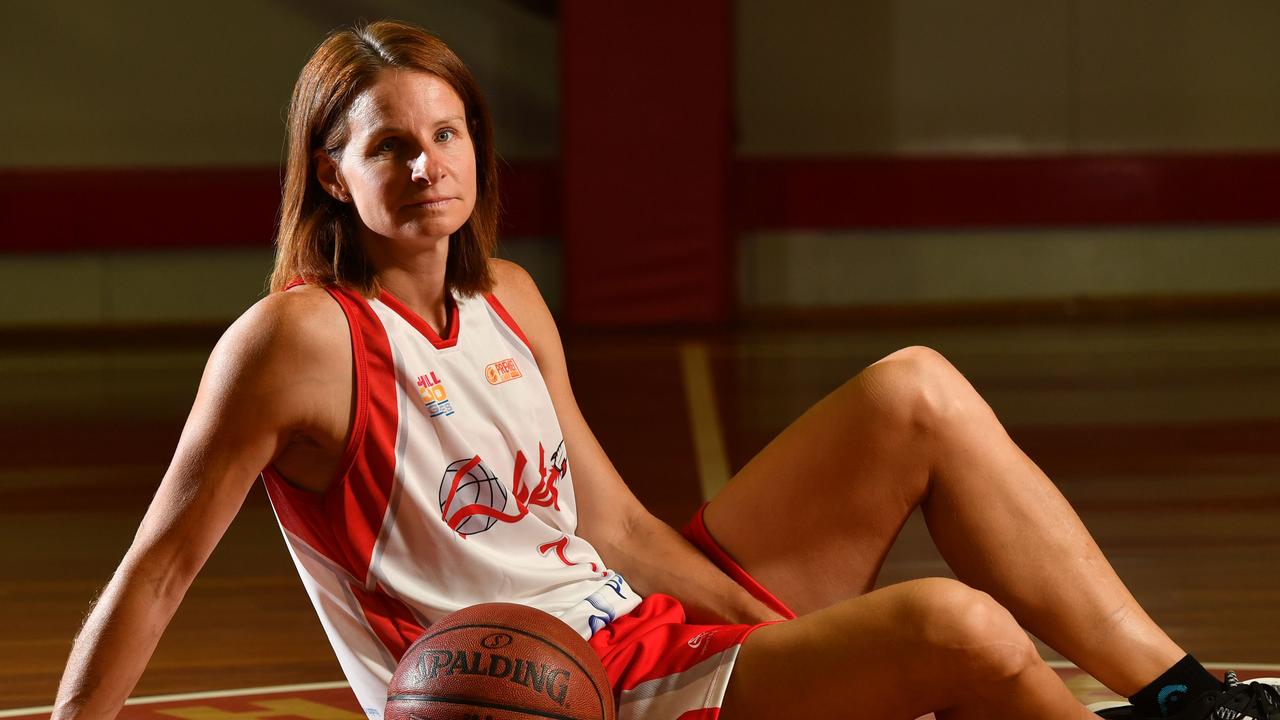
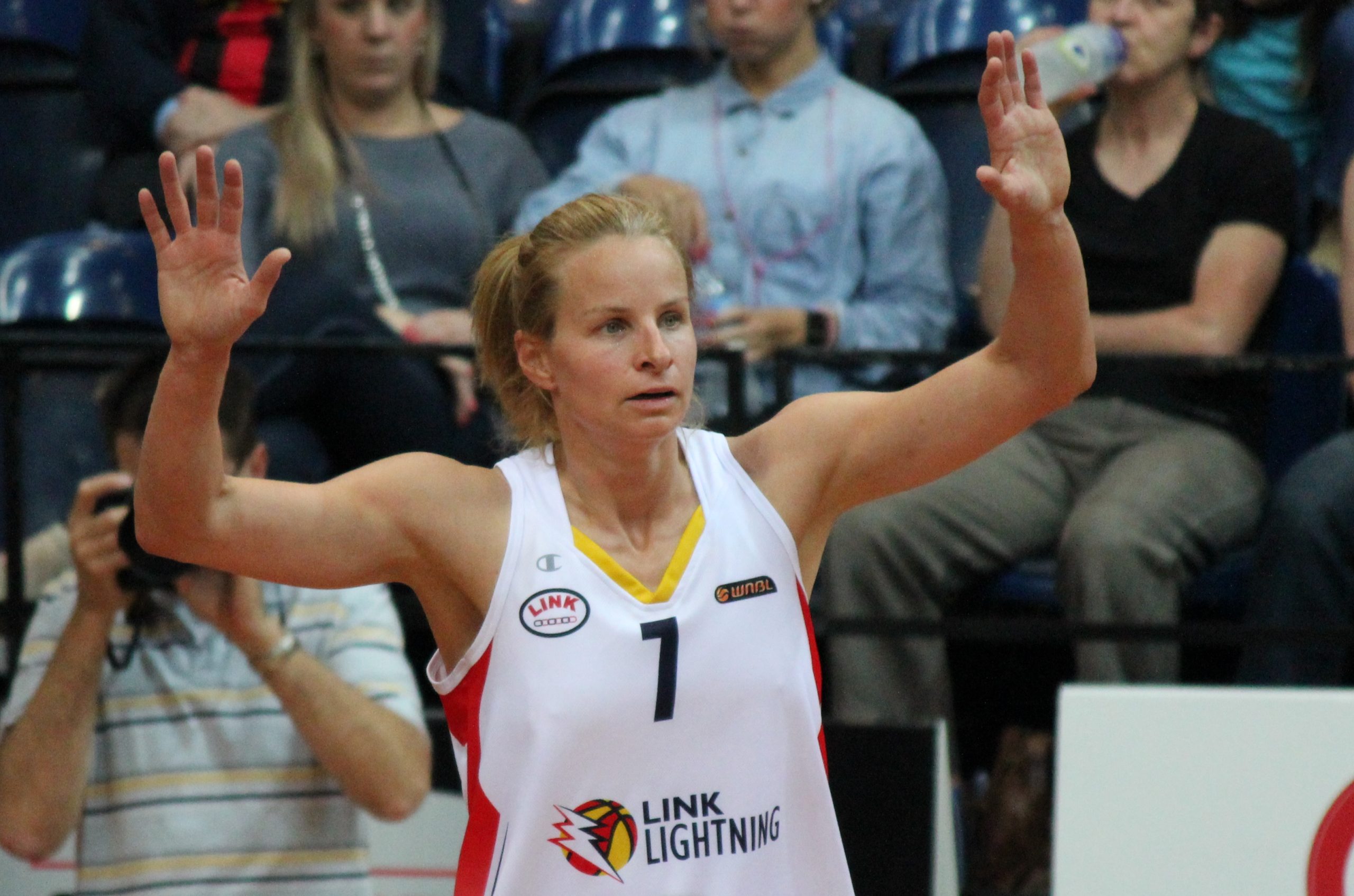
Jo Hill’s career is one of the most extraordinary in South Australian basketball history. Spanning four decades across the WNBL, international competition, and grassroots development in South Australia, her induction into the Hall of Fame is a fitting recognition of her remarkable contribution.
Her journey began with the North Adelaide Rockets, where she quickly rose through the ranks, representing in the 1991/1992 National Championships. Jo went on to represent Australia with the Gems, highlighted by a gold medal at the 1993 FIBA U20 World Championship in Korea; the first ever for an Australian women’s team at a World or Olympic event. This launched her into the Olympic team with the Opals, where she played a key role in securing a bronze medal at the 1998 FIBA World Championship in Germany and a silver medal at the Sydney 2000 Olympic Games.
On the domestic stage, Jo’s impact was immense. She played 351 WNBL games across 17 seasons with Adelaide Lightning, Canberra Capitals and Townsville Fire. With the Lightning, she was a cornerstone of four championship teams (1994, 1995, 1996, 1998) and earned selection to the 2000 WNBL All Star Five. Her skill, versatility and professionalism also saw her recognised multiple times as Players’ Player and Fans’ Player at her respective clubs, a testament to the high regard in which she was held by teammates and supporters alike.
Jo also carved out a significant international career, playing professionally in Europe from 2004–2008 with stints in Spain (Leon, Extrugasa, Estudiantes Madrid). Her toughness and resilience became her trademark as she was known for her incredible fitness, famously playing a full game of netball before taking to the basketball court for North Adelaide on the same day.
At state league level, Jo was a dominant force for the North Adelaide Rockets, playing 317 Premier League games, winning multiple championships (1994, 1998, 2014, 2017) and earning 13 club MVP awards. Her career fittingly concluded with a Grand Final MVP performance in 2018, sealing another championship for her beloved Rockets.
Her contributions extended far beyond her own playing career. Jo invests in the next generation through junior coaching, individual and small group skills programs, and served as a NBL1 assistant coach with North Adelaide from 2020 to 2022 (2021, runners-up).
In recognition of her legacy, both the Hillcrest Stadium (no longer standing) and The Lights Community and Sports Centre show courts are named “Jo Hill Court”, cementing her place in the history of South Australian basketball. She is also a Life Member of the WNBL, Basketball SA, and North Adelaide Basketball Club.
For her toughness, professionalism and longevity, Jo Hill is regarded as one of the state’s finest role models and ambassadors for basketball. Few athletes have contributed so much to the sport at every level, and her legacy continues to inspire the next generation of players.
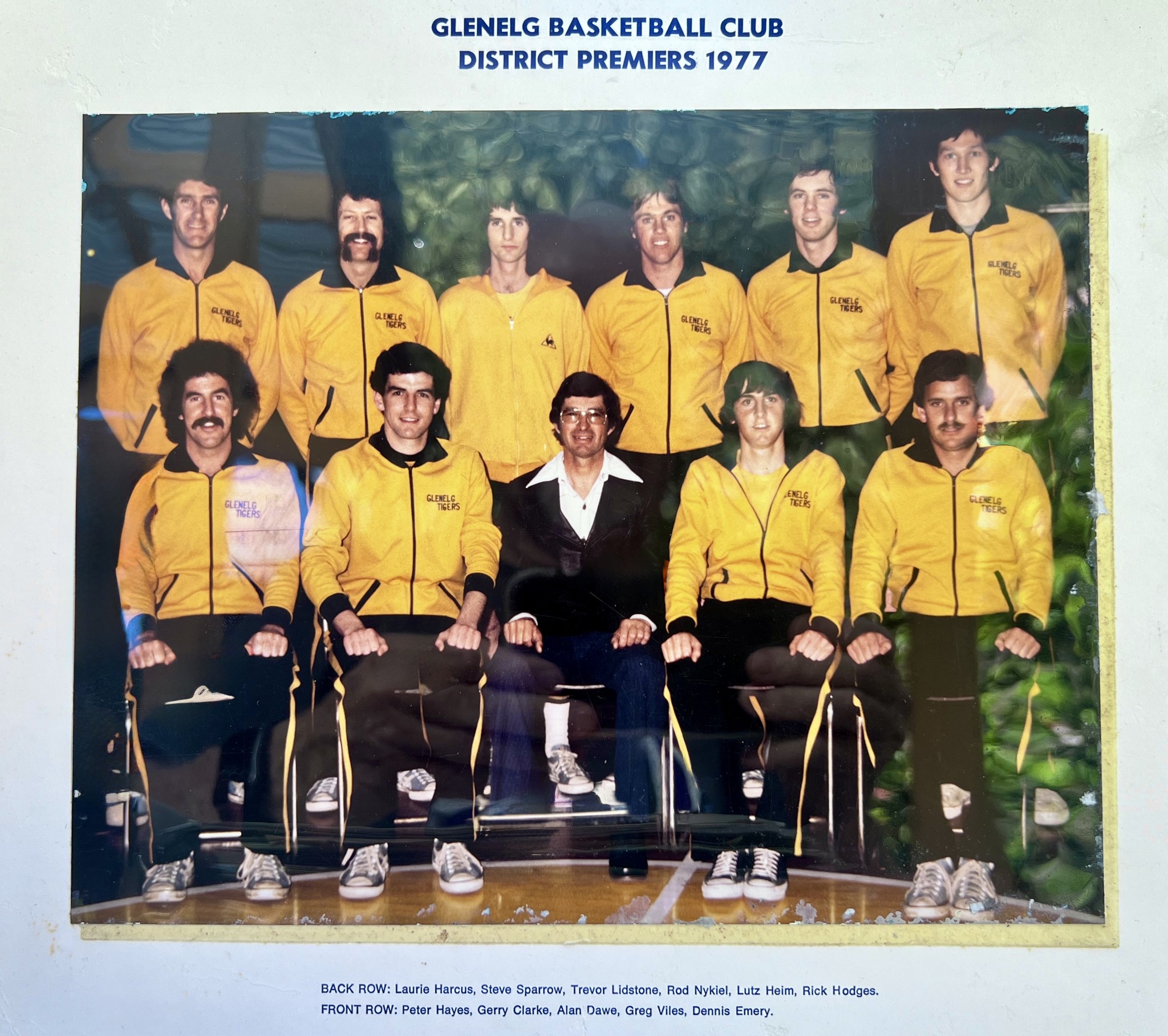
Rick Hodges’ contributions on and off the court to basketball has left an enduring mark on our sport in the state.
Rick began his basketball journey in the early 1970s with the Flinders University Intervarsity team, quickly making a name for himself with his skill, athleticism, and unwavering commitment to the game. From those early days, it was clear that Hodges was destined to become a central figure in South Australian basketball.
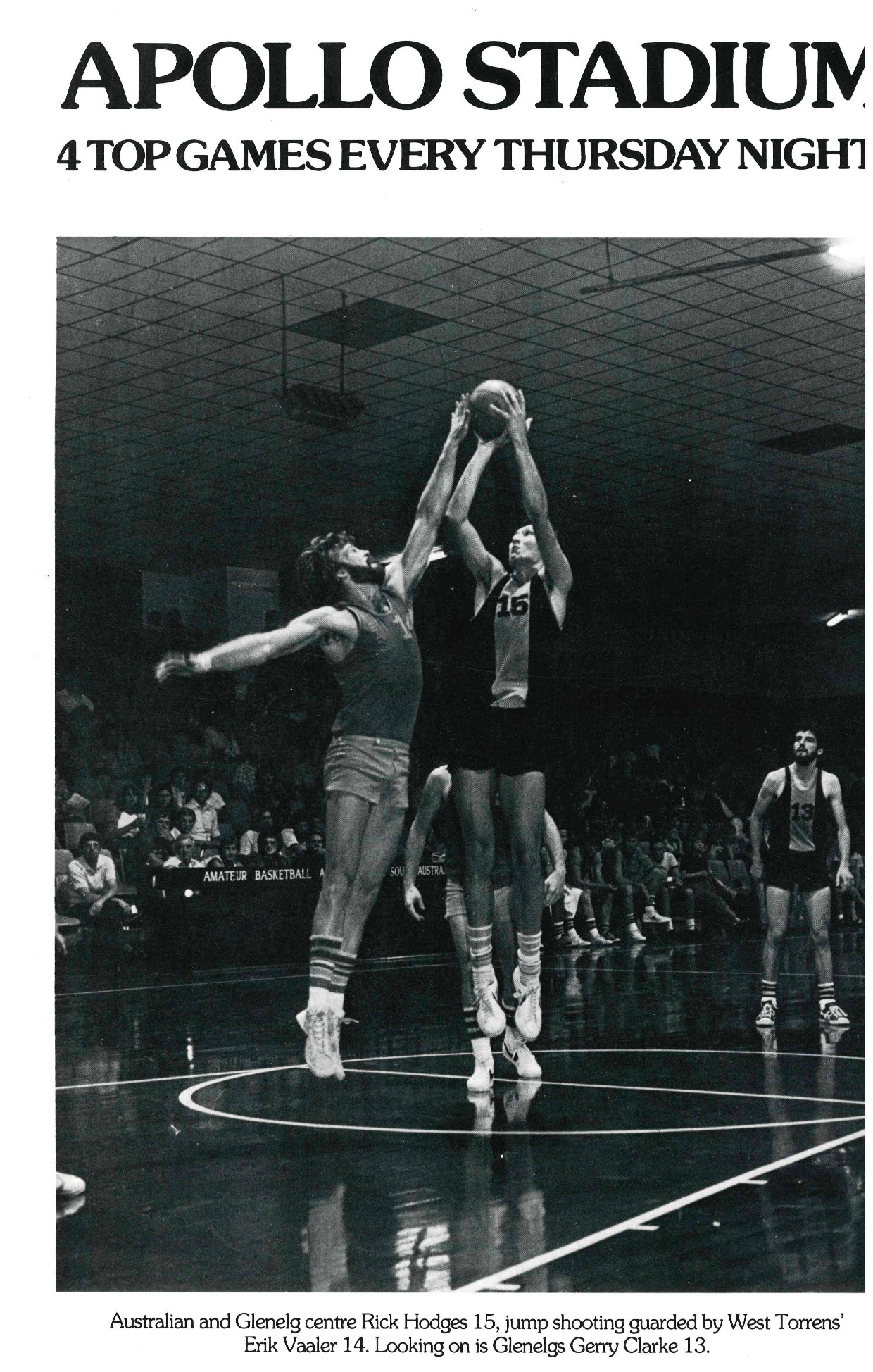
In 1974, he joined the Southern Tigers men’s team in State League (NBL1), helping secure two premierships during his first stint with the club. His success continued with the West Adelaide men’s team, where he added another two premierships to his growing list of accolades, before moving to the North Adelaide men’s team and capturing the 1983 premiership. Hodges returned to the Southern Tigers in 1988, extending his State League career into the mid-1990s. Across his NBL career, he played 93 games for four clubs and set the record for most State League games in South Australian history with 721.
Hodges’ talent was not limited to club basketball. He represented South Australia six times at state level and earned a spot on the Australian Boomers squad for the 1978 World Basketball Championships in Manila, further cementing his place among the nation’s elite. Known for his calm presence on the court and a playing style that let his skills speak for themselves, Hodges was a key figure in multiple Australian Championship campaigns and earned individual honours including the Woollacott Medal in 1977 as the Fairest and Most Brilliant District Player.
Beyond his playing career, Hodges has been a passionate mentor and coach. He guided the Noarlunga Tigers men’s team to multiple premierships in the 1990s and also coached the SA Rollers wheelchair team to a national championship in 1982. Even after stepping away from top-level competition, Hodges continued to serve the game through coaching, Masters competitions, and fostering young talent at the Southern Tigers. His love for the sport extended to playing alongside his sons, Tim and Ben, in NBL1; a testament to his lifelong commitment to basketball.
Rick’s contributions have been recognised both on and off the court. He is a BASA Life Member, a Southern Tigers Life Member, and the Rick Hodges Room at Morphett Vale Stadium stands as a permanent tribute to his legacy.
Rick Hodges’ story is one of dedication, achievement, and service. From premierships to national representation, and from coaching future generations to inspiring countless players, his impact on South Australian basketball is immeasurable. His induction into the Basketball South Australia Hall of Fame is a fitting recognition for a player, coach, and mentor who has devoted his life to the game.
Ted Hunt played a pivotal role in shaping basketball in South Australia, contributing across playing, coaching, refereeing, and administration. His efforts spanned decades and left a lasting impact on both the sport and the community that surrounded it.
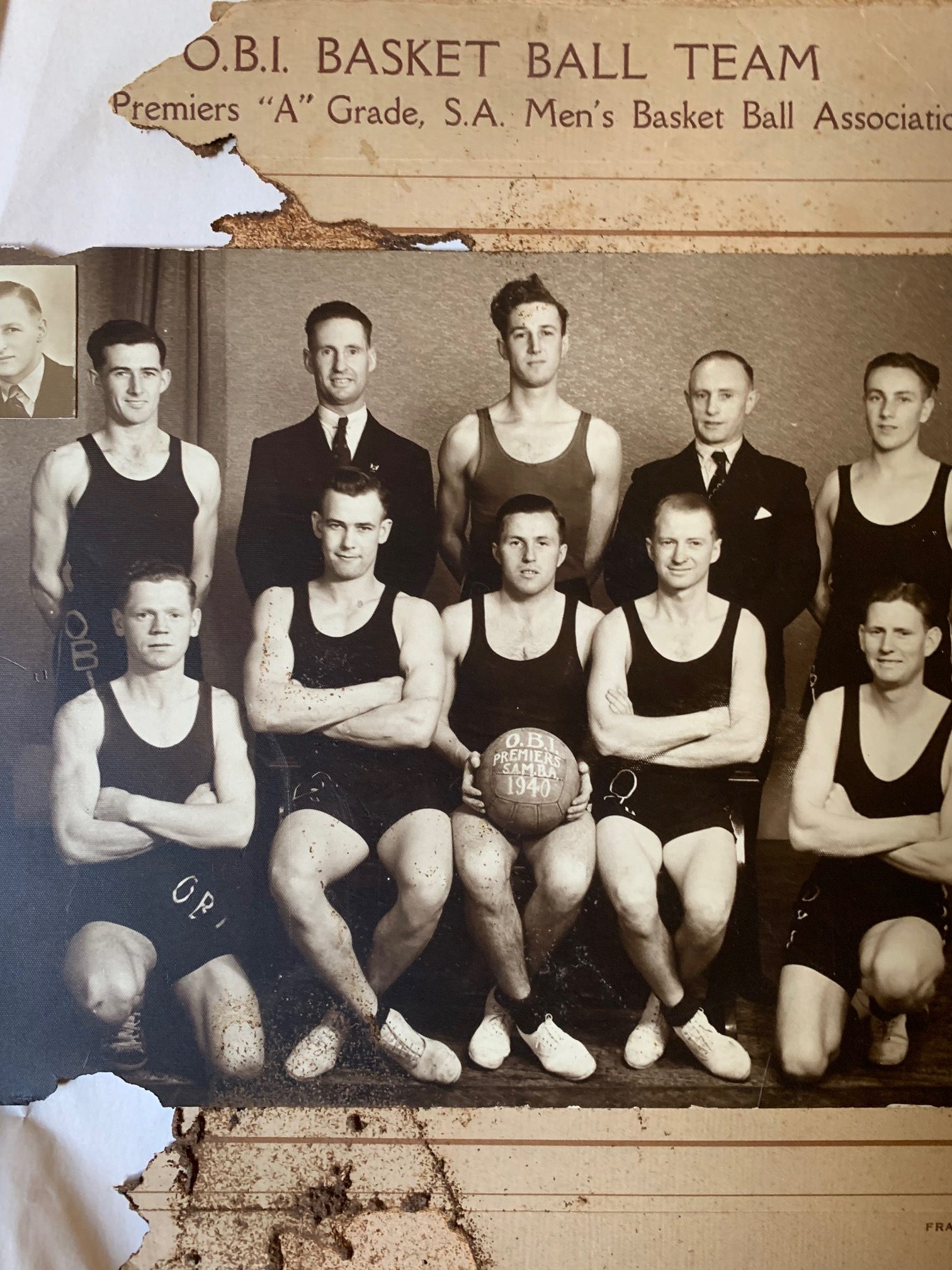
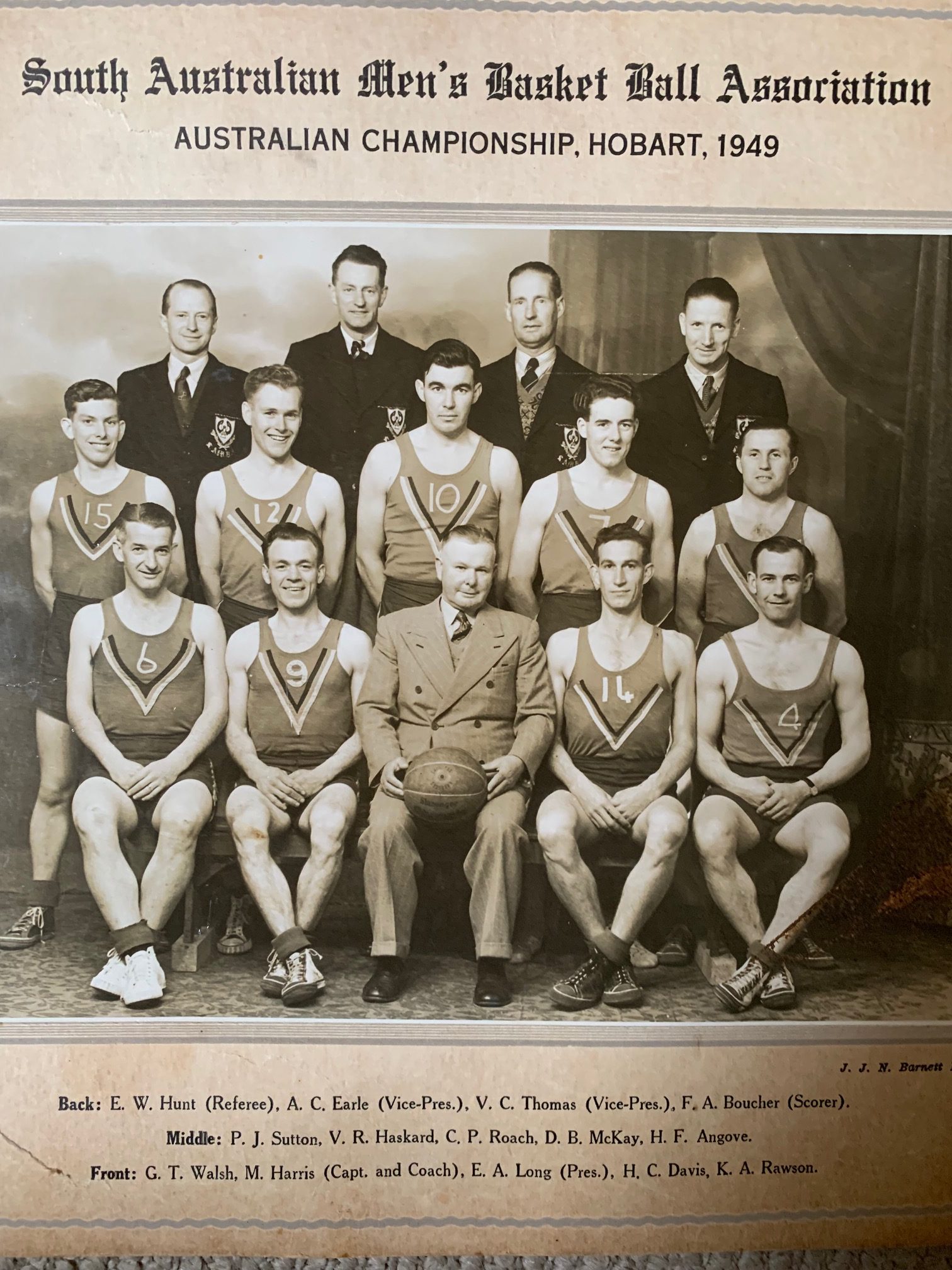
His journey in basketball began in the 1930s at the Our Boys Institute (OBI), where he developed as both a gymnast and basketball player. By the 1940s, Hunt had established himself as one of South Australia’s top players, representing the state at the Australian Championships in as a Player 1946 and 1949 as a Referee. His deep knowledge of the game extended beyond playing; he became a respected referee, officiating at interstate carnivals and notable events, including a 1954 exhibition featuring the Harlem Globetrotters.
Hunt’s influence, however, reached far beyond the court. With remarkable foresight, he identified the site for Forestville Stadium and worked tirelessly with councils, committees, and community members to bring it to life. Thanks to his determination and leadership, South Australian basketball gained a permanent home; a venue that would provide opportunities for generations of players to participate, develop, and compete.
His administrative contributions were equally significant. Serving as Assistant Secretary of the District Association for 26 years, and coaching at both junior and district levels, Hunt dedicated countless hours to nurturing the game and its people. His guidance fostered professionalism, sportsmanship, and community spirit, values that remain embedded in South Australian basketball today.
Though he is no longer with us, his induction into the Basketball SA Hall of Fame is a fitting tribute to a life devoted to advancing basketball and supporting its community.
Vale Ted Hunt
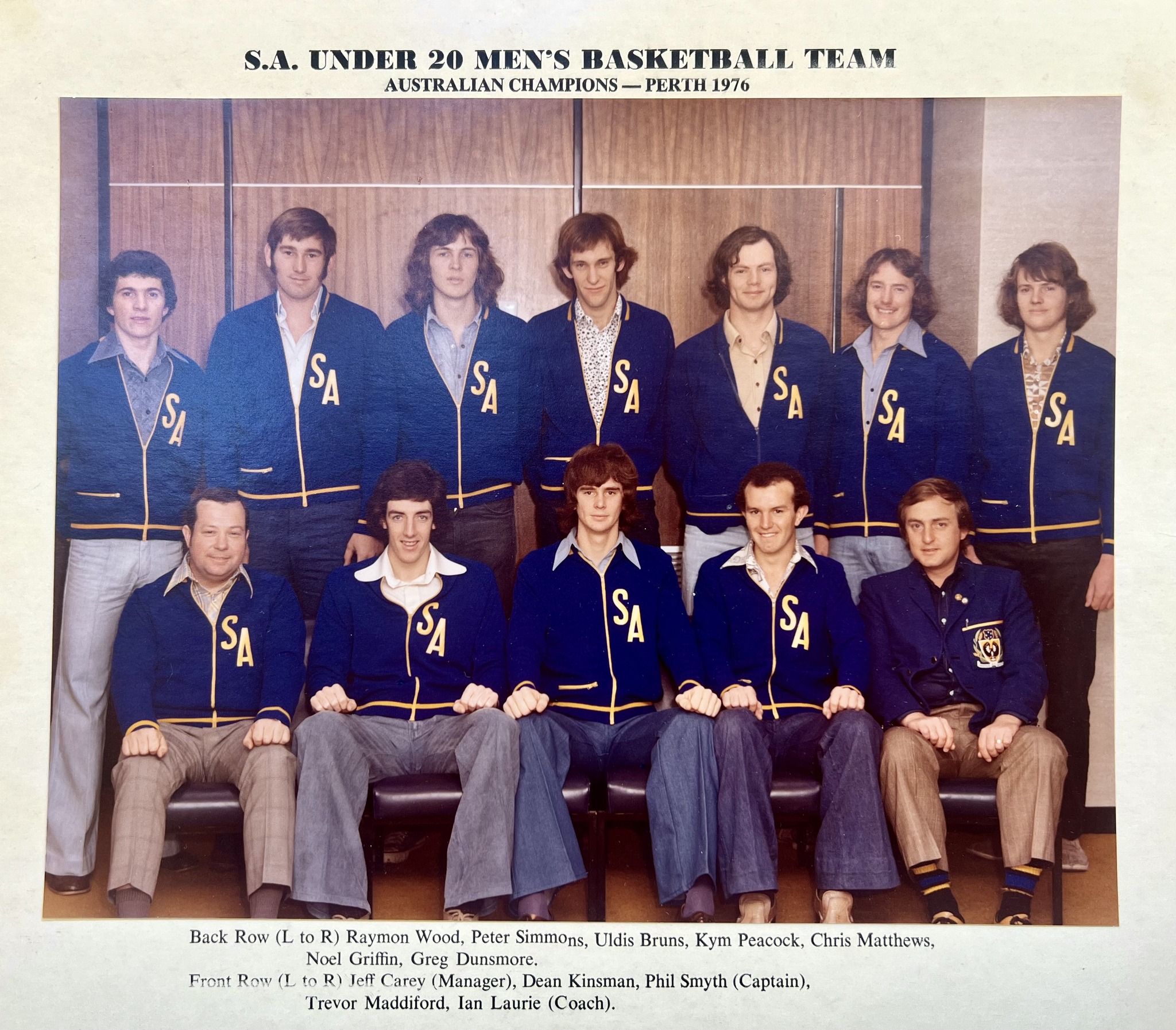
Ian Laurie’s coaching career spans over a decade at the national level and several decades at state and club level, reflecting a lifelong dedication to developing young talent and leaving an enduring legacy on the game.
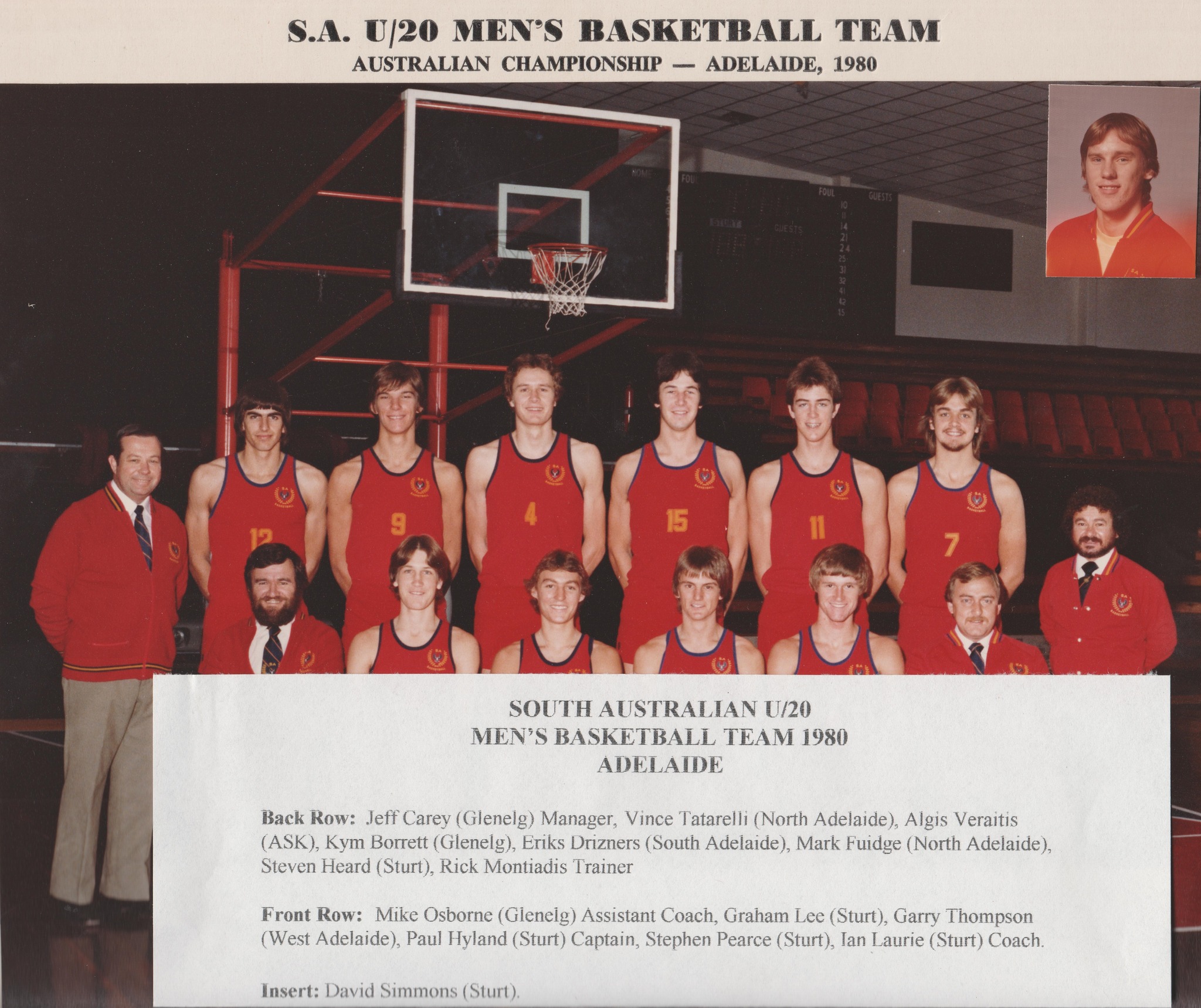
Laurie’s coaching career included a remarkable tenure as Australian Under-20 Men’s Coach from 1976 to 1983, where he guided the national squad through tours and World Championships across the globe, including the Philippines, Japan, Korea, England, Germany, Brazil, and Spain. During this time, he coached 66 future Australian players, many of whom went on to represent the Boomers at senior level, including Phil Smyth, Wayne Carroll, Brad Dalton, Larry Sengstock, Daryl Pearce, Mark Gaze, Ray Borner, Damien Keough, Robert Scrigni, Mark Dalton, Simon Cottrell, Andrew Gaze, Mike McKay, Tim Morrissey and Jo Ingles.
Laurie’s influence extended far beyond the court, as many of these players would later impact the NBL or contribute to the game in administration.
At the state level, Laurie served as State Under-20 Men’s Coach from 1975 to 1985 and also guided South Australian teams in national competitions with consistent success. He coached in SA Men’s State League competitions for nearly two decades, including significant stints with Sturt and Forestville Eagles, earning Men’s State League Coach of the Year honours in 1986 and 1990. His work at Forestville in particular has had a lasting impact, with the club naming the Junior Coach of the Year award in his honour; ensuring his influence on young players continues to this day.
Laurie’s leadership extended to elite player development. He participated in Australian Under-20 team selection camps following each championship between 1975 and 1985 and was an early adopter of sports science strategies at the AIS to prepare his players for peak performance. His commitment to professionalism, sportsmanship, and player welfare made him a role model for players and coaches alike. Not only that but, from 2002 to 2014 he participated as a coach in the SASI/NITP program.
Recognition of Laurie’s contribution is extensive. He was awarded BASA Participant Life Membership in 1985 and is also a Life Member of Sturt Basketball Club and Forestville Eagles Basketball Club. His legacy is visible not only in the countless players he coached but, in the structures, standards, and culture he helped instill across South Australian basketball.
Through decades of dedication, Ian Laurie has shaped generations of basketball players, leaving a legacy of leadership, development, and excellence that continues to define the sport in South Australia. His induction into the Basketball South Australia Hall of Fame is a fitting recognition of his extraordinary contribution to the game.
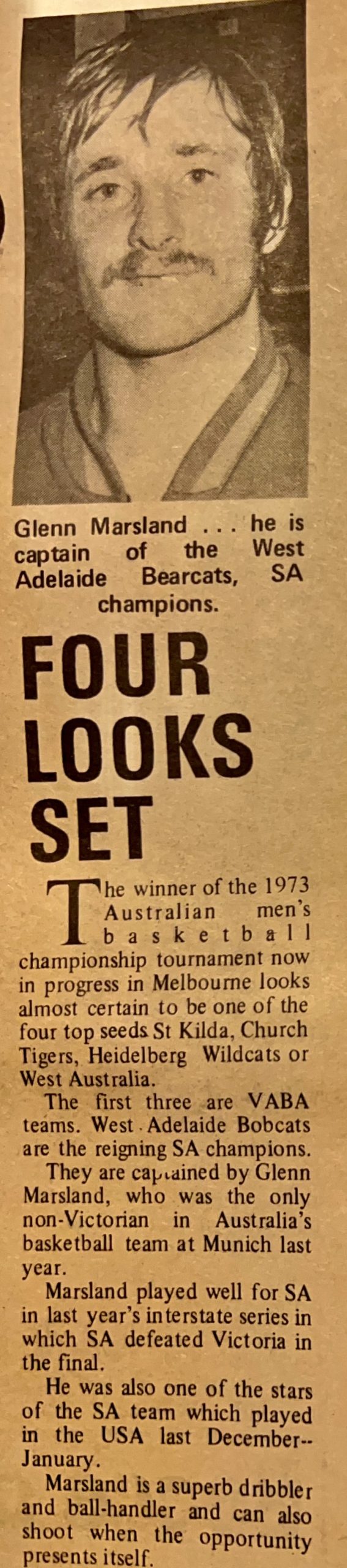
Glenn Marsland competed in his earliest days as a junior state representative in the 1960s to representing Australia on the world stage, and later mentoring generations of players, Marsland’s contribution to the sport has been profound and enduring.
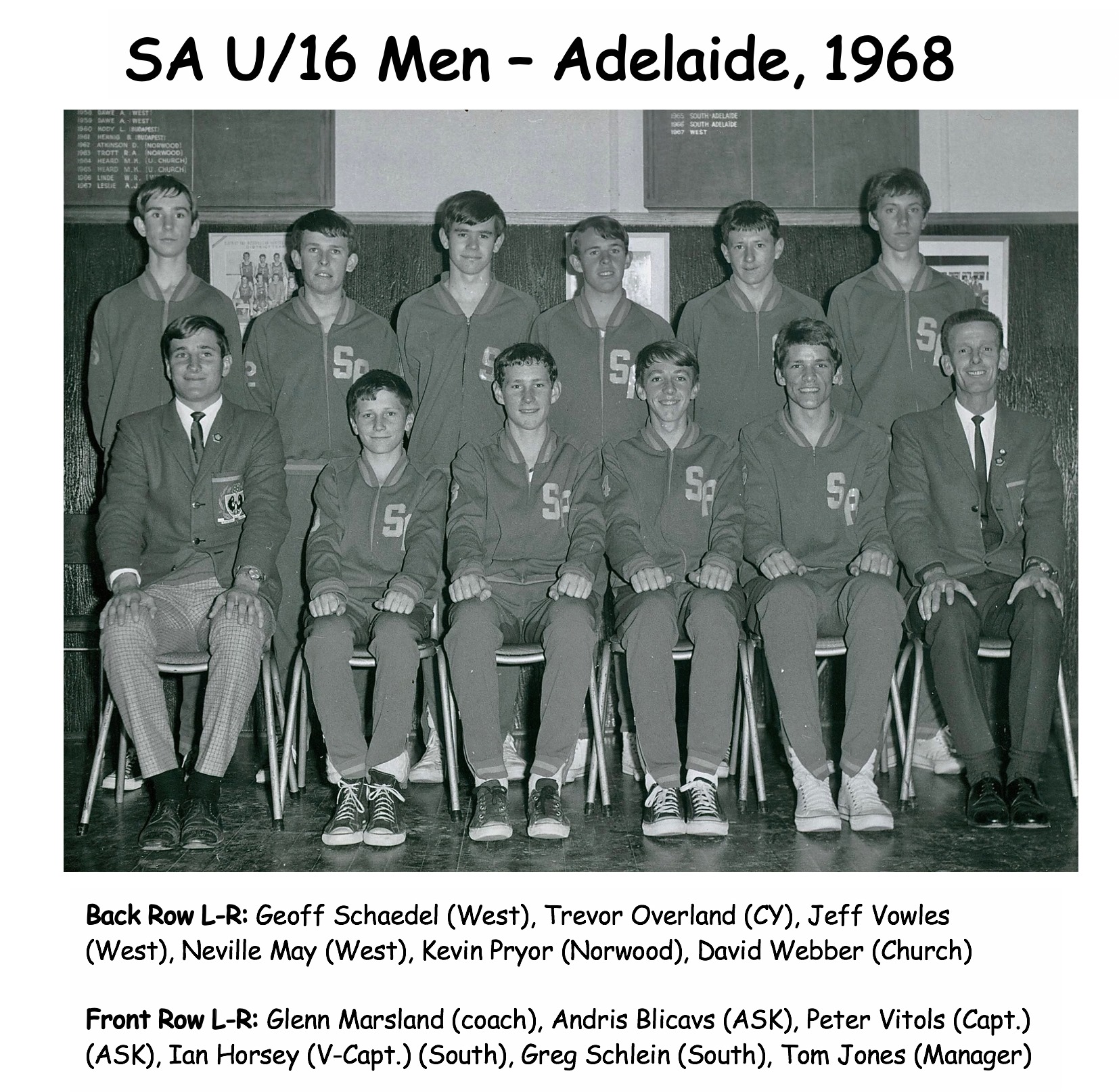
Marsland’s representative career began with South Australia’s U16 team in 1962 and U18 teams in 1963 and 1964, before progressing to the senior state team, where he played from 1967 to 1977. Marsland then went on to coach the State U16 Boys in 1968. His leadership skills were recognised early, and he captained the state team on the 1971–72 pre-Olympic world tour, which took the squad across the USA, Europe, and Asia.
On the national stage, Marsland represented Australia at the 1972 Munich Olympic Games, where the team placed ninth, and the 1974 World Championships in Puerto Rico, finishing 12th. These experiences not only showcased his talent but also positioned him as a key figure in Australian basketball during a formative era for the sport.
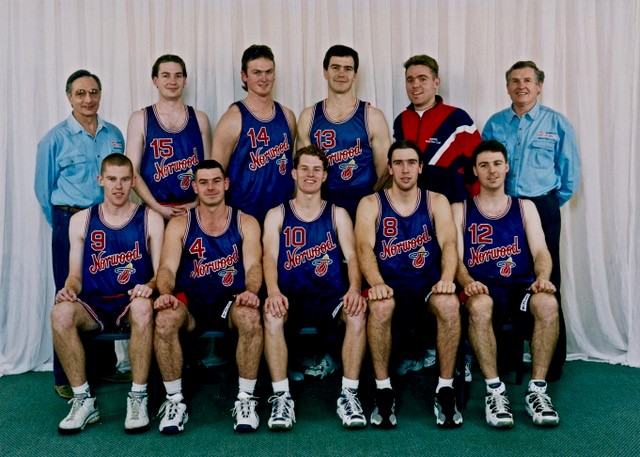
At the club level, Marsland played over 400 games for West Adelaide, serving as both captain and coach in his final year with the club. In 1980, he continued his dual role as player-coach at Norwood, demonstrating his ongoing commitment to developing talent and leading by example. Even after retiring from top-level competition, Marsland remained involved in Masters basketball until 2008, reflecting his lifelong passion for the game.
Throughout his career, Marsland has been recognised for his outstanding contributions. He was awarded a Basketball Blue from the University of Adelaide, is a Life Member of Basketball SA, and has been honoured on the West Adelaide Hall of Fame.
Glenn Marsland’s story is one of dedication, leadership, and service. His influence reaches far beyond his own playing and coaching career, shaping generations of players and helping to build a strong, vibrant basketball community in South Australia. His induction into the Basketball South Australia Hall of Fame is a fitting recognition of a life devoted to the sport.
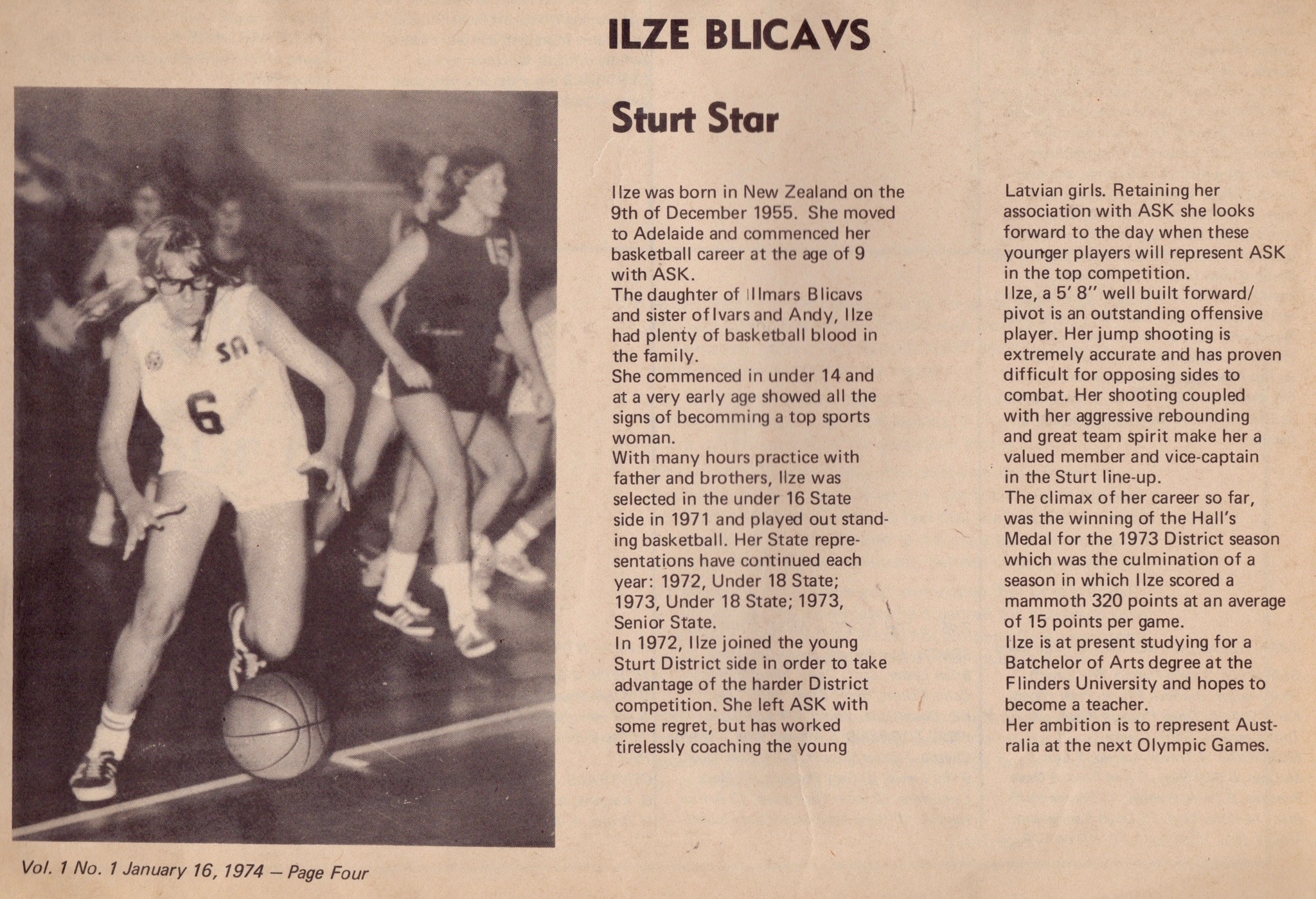
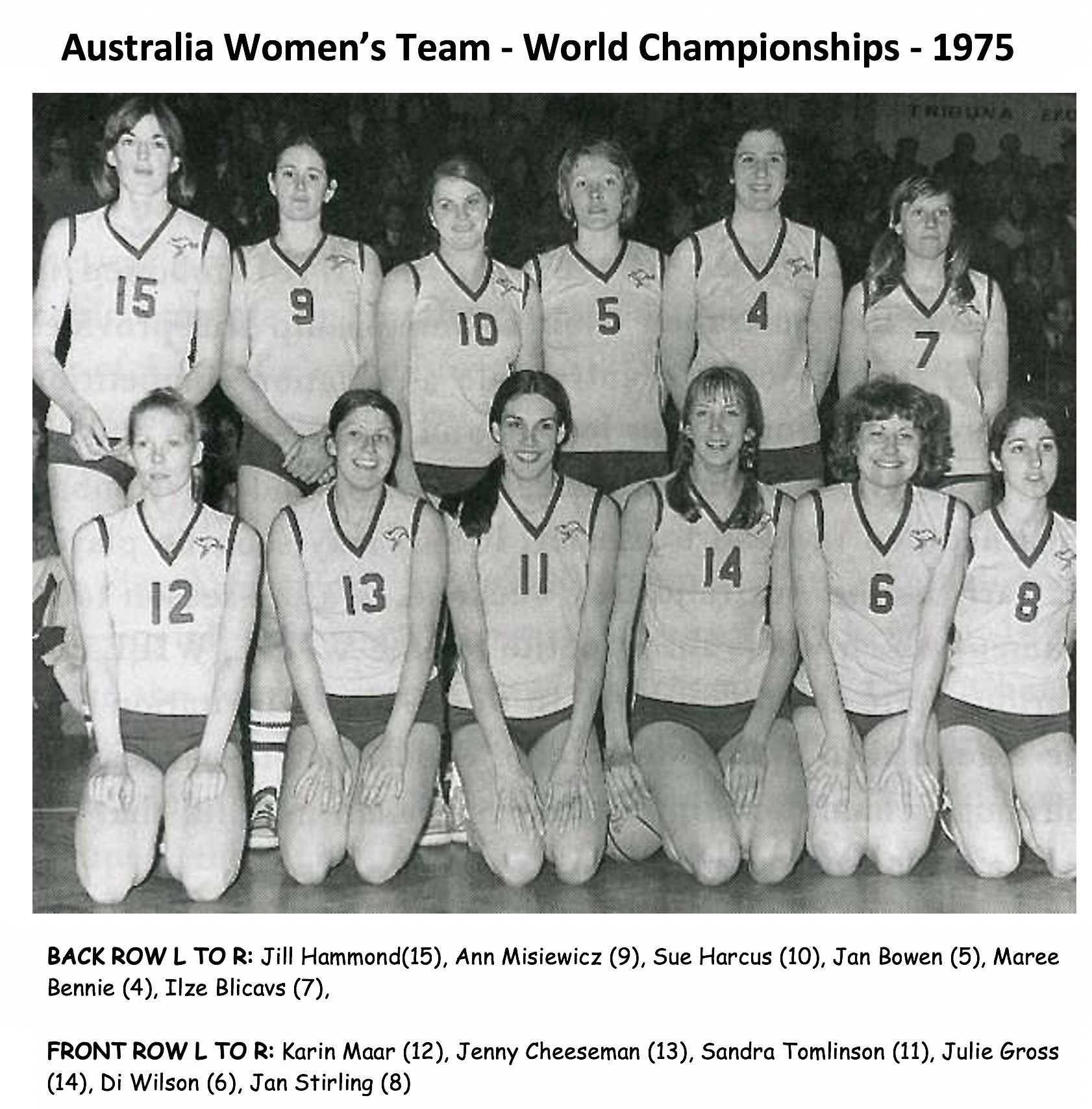
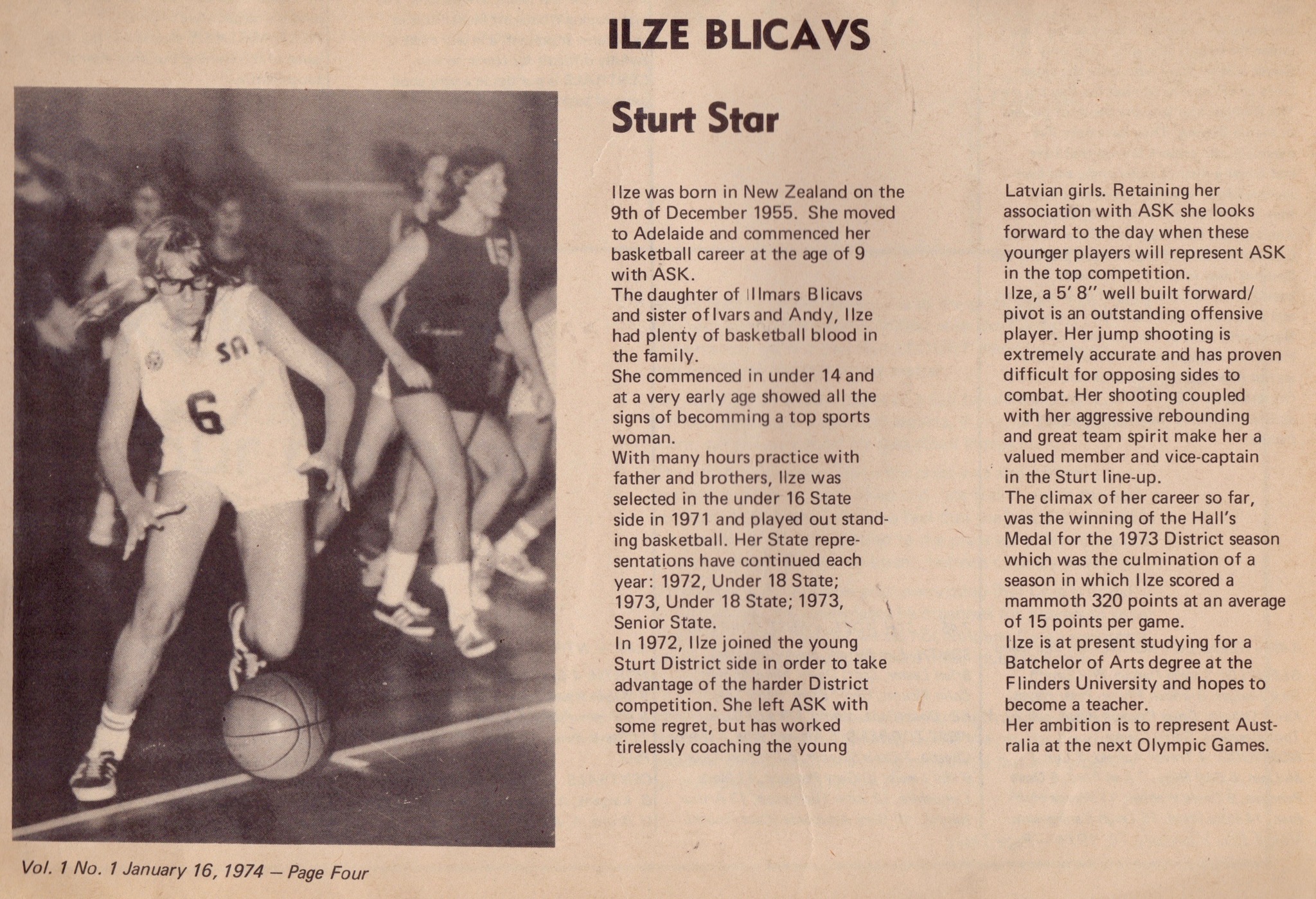
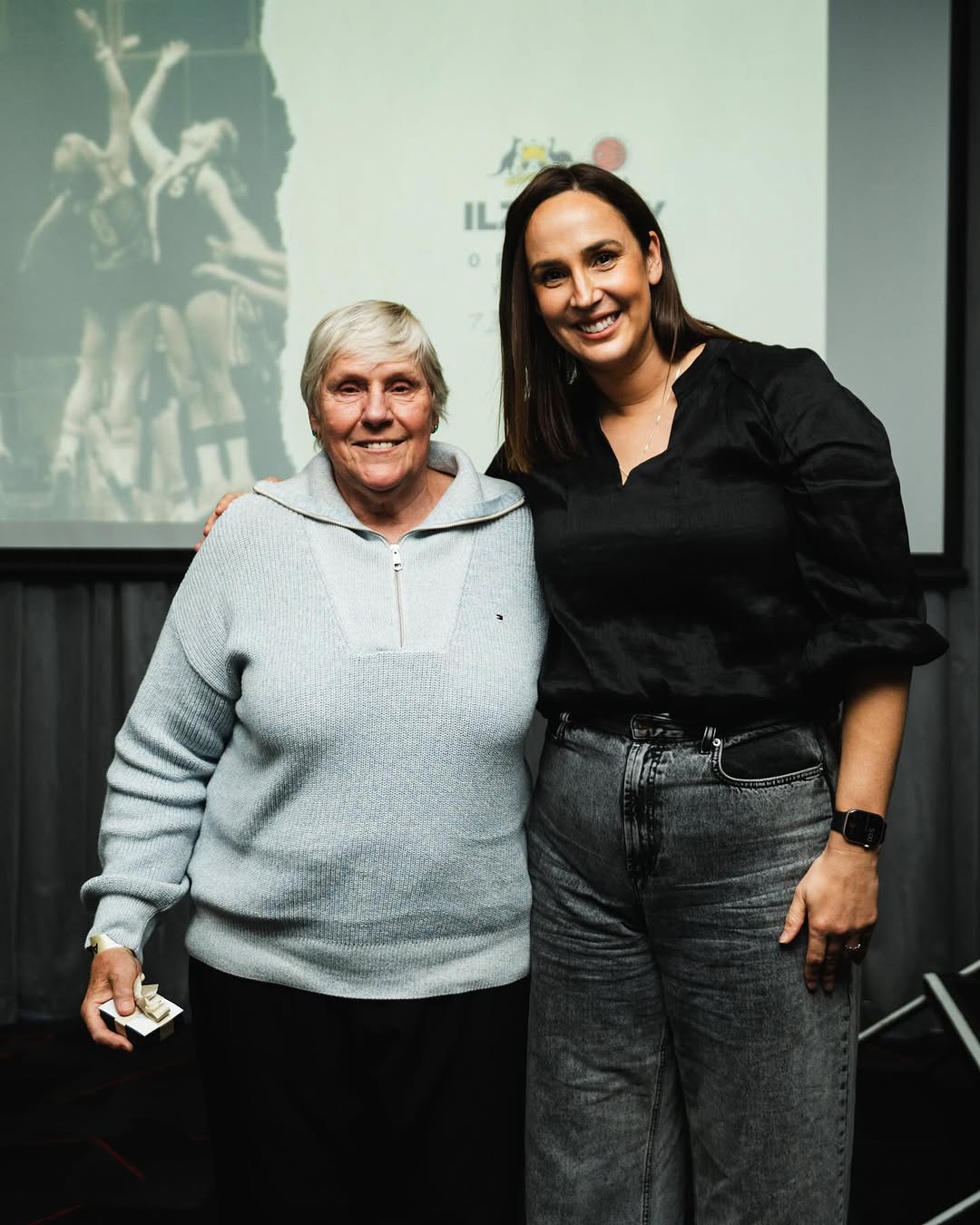
Ilze Nagy’s (nee Blicavs) career is a testament to talent, dedication, and leadership in South Australian basketball. From the moment she first stepped onto the court, Nagy demonstrated a combination of skill and determination that would define a career spanning more than two decades.
Her rise was swift and remarkable. In 1971, Nagy was part of the South Australia Under-16 State Team, winning the inaugural National Championships and leading the tournament in scoring. She progressed through the state ranks, earning multiple National Championships with SA Under-18 and Senior Women’s Teams and securing individual honours, including the Halls Medal twice in 1973 and 1984 (now known as the Eiler Medal) and multiple Sturt Club MVP awards. Her consistent excellence on the court also earned her a Flinders University Blue for Basketball.
Nagy’s talent extended to the international stage. She represented Australia at the 1975 World Championships in Cali, Colombia, and featured prominently in national club and intervarsity competitions. Known for her precision shooting, aggressive rebounding, and unselfish play, she was a cornerstone for every team she joined, and her presence often dictated the flow of the game.
Beyond her playing achievements, Nagy has had a profound impact as a coach and mentor. She guided junior teams across Sturt, Norwood, Forestville, and Southern Tigers, served as junior coaching director, and contributed to programs at SASI, nurturing the next generation of South Australian talent. Her leadership, professionalism, and dedication to the sport have made her a role model both on and off the court.
Nagy’s legacy is defined not only by her exceptional achievements but also by her enduring contribution to South Australian basketball. Her induction into the Basketball SA Hall of Fame recognises a career that has inspired generations, shaped the growth of women’s basketball, and cemented her place as one of the state’s true sporting legends.
Dean Whitford’s basketball journey is one of longevity, passion, and remarkable achievement. Whitford would ride his bike across Adelaide to attend games at not even 13 years of age and now has gone on to dedicate more than seven decades to the sport as a player, coach, administrator, referee, and mentor.
On court, Dean represented South Adelaide in the men’s district competition from 1956 to 1972, becoming one of the club’s greatest players. He was a five-time Men’s MVP with the Panthers and achieved the milestone of more than 500 district games, becoming the first player to reach both 500 games and 6,000 points. His state-level career included representing South Australia and being named an Olympic reserve in 1964.
Dean’s coaching contributions were equally significant. He led South Adelaide’s women’s district team for eight years and later served as assistant coach with Norwood’s women’s program for three years. From 1988 through to 2024 (with only a few years’ break), he coached junior district basketball, nurturing talent and shaping future generations.
His service to basketball extends beyond the court. Dean was Secretary of the South Adelaide Basketball Club for two years and gave over 40 years of involvement to the Churches of Christ Basketball Association as a player, coach, referee, and committee member. During this time, he guided Forestville Church of Christ to a record 10 successive A Grade premierships as both a player and coach.
After over 70 years of continuous involvement in basketball, Whitford has lived almost every role the game offers. From his teenage years riding to games on his bike, to his influence as a mentor for countless young athletes, his legacy is woven into the fabric of South Australian basketball. Respected for his leadership, professionalism and sportsmanship, Dean Whitford has left an enduring legacy on basketball in South Australia.
Reserved for South Australians whose achievements reached the very highest levels of Australian and international basketball. Only a select few receive Legend status, recognising extraordinary careers and an enduring legacy.
+ Deceased
The elevation of Werner Linde to “Legend” status in Basketball SA’s Hall of Fame always was going to be a fait accompli.
Linde, quite literally stands apart as the greatest basketball player produced in South Australia – and amid the most elite of all time in Australian basketball – and especially during his pre-eminent era across the 1960s and 1970s.
Frank Angovewas among the Hall’s original trio of inductees in 1993 after a long and distinguished career in the sport, winning four A-Grade championships at Our Boys Institute (OBI) – including two as captain-coach – and representing South Australia at Australian Championships from 1946-1951.
In 1951, he was named the best player at the national tournament, the forerunner of the MVP award.
Lorraine Eiler (nee Maguire) was a sporting superstar in South Australia and Australia, as both a state and national player in netball, a four-time SA squash champion and ranked No.2 in Australia in 1959.
As an A-Grade tennis player for East Torrens, she won singles and doubles tournaments, yet despite her multiple successes, her first love was basketball.
Basketball SA’s Hall of Fame recognises athletes, coaches, officials, administrators and teams who have achieved excellence and made an outstanding contribution to basketball.
+ Deceased *Honorary Member
Michael Ah Matt OLY +
Jean Bain
George Dancis OLY +
Alan Dawe OLY +
Lorraine Eiler +
Inga Freidenfelds OLY
Algy Ignatavicius OLY +
Keith Miller +
Andris Blicavs OLY
Pat Rowe
Frank Angove OAM +
Huba Nagy
Merv Harris OAM +
Al Green
Carolyn Tsakalos
Jim Madigan
Darryl Pearce OLY +
Julie Nykiel OLY
Mark Bradtke OLY
John Heard OLY
Pat Mickan OLY
Jan Stirling AM
Sue Hobbs
Brett Maher OLY
Ken Richardson +
Les Hody
Kay McFarlane
Marina Moffa OLY
Jenny Cheesman AM OLY
Mark Davis
Pat Moore
Rachael Sporn OAM OLY
Greg Love
Adelaide Lightning 1994-96
Noel Woollacott *
Fred Specht +
Malcolm Heard +
Bryan Hennig
David Gould OAM
Peter Ali OLY
Geoff Weeks
Boti Nagy
1990 North Adelaide Senior Women’s Team
Ted Powell +
Scott Davie
West Adelaide 1982 Men’s Team
Albert Leslie
Richard ‘Dick’ Butler
Glenys Bauer
Jo Hill OAM
Rick Hodges
Ted Hunt +
Ian Laurie
Glenn Marsland
Ilze Nagy
Dean Whitford
Life Membership publicly acknowledges the direct contribution someone has made to basketball over an extended period of time.
+ Deceased
Frank Angove OAM +
Lyall Clift +
Ed Hunt +
Doug Harrison +
Fred Specht +
Frank Pocock +
Keith Miller +
Trevor Martin +
Merv Harris OAM +
Bruce Johnson +
John Thompson +
Dick Butler AM
Steve Greaves
Geoff Jolley +
Kevin Lynch +
Barry Richardson +
Sandy Hamilton +
Vera Craig +
Pat Moore OAM
David Wark
Alan Dawe OLY +
Ian Thornton
Jeff Coulls
Elsa Lillywhite +
Ron Mertin +
John Spooner
Jenny Clarke
Beth Serle OAM
Joe Koch +
Stan Wickham +
Jack Wood +
Mal Simpson
Jeff Carey
Russell Terrett
David Durant
Colin Thompson
Bert Bargeus
Allan Polkinghorne OAM
Phil Haines
This award recognises participants of the sport who have reached a significant milestone. Participant Life Member was previously known as 300 Club. All 300 Club members awarded before May 2021, will automatically be transferred to the Participant Life Member category. After May 2021, the criteria detailed in this policy must be achieved to receive Participant Life Membership.
All Life Members and Participant Life Members are entitled to free entry to all Basketball SA competitions for themselves and one guest (non-transferable).
Nominations for Basketball SA Awards can be made using the Nomination Forms below.
Please check the Awards Policy HERE
Nominations for the Basketball SA Hall of Fame Awards will close on 31 March each year. Nominations received after this time will be held for consideration in the following round.
Hall of Fame Nomination Form >> Download Here
Please forward completed nomination forms by email to contact@basketballsa.com.au.
Note: Hall of Fame Nominations not selected in a given year will remain open for consideration in subsequent rounds.
This award is an extension of the Hall of Fame and recognises those South Australian’s whose success extends to the highest levels in the national and international arena.
+ Deceased
Contact Details:
Please update your contact details for Basketball SA to keep you up to date and communicate any updates or news.

Building 3, Level 1
32-56 Sir Donald Bradman Drive, Mile End SA 5031.
Phone: (08) 7088 0070
Postal Address: PO Box 2080 Hilton Plaza, SA, 5033